Cooper City vs. Plantation vs. Pembroke Pines:
Which Broward County Area Fits You?
If you have ever opened Zillow, typed in “Broward County,” and immediately felt like you needed a spreadsheet, a second coffee, and maybe a personality quiz, you are not alone.
Broward County has 31 incorporated municipalities, each with its own pros and cons.
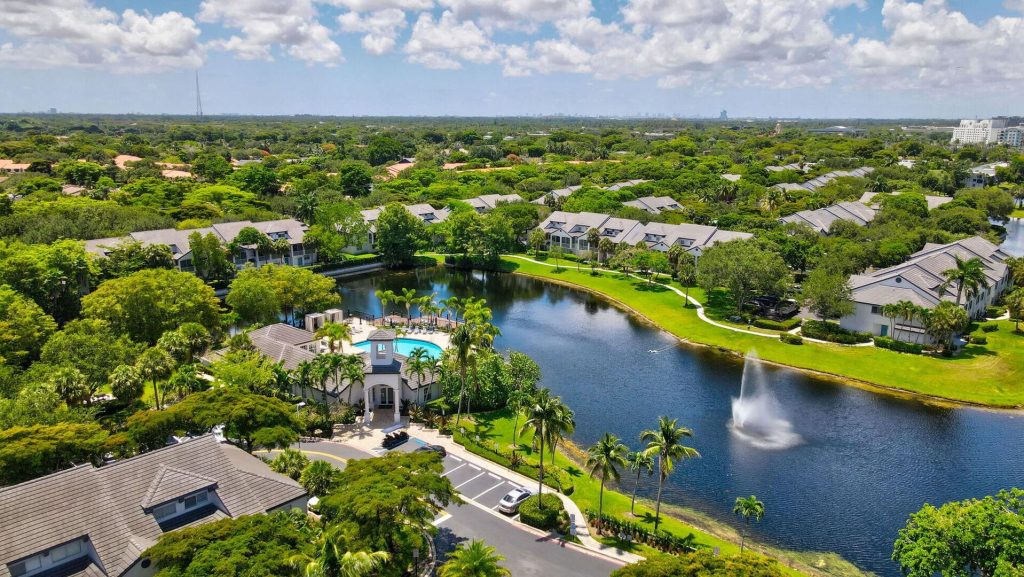
Cooper City, Plantation, and Pembroke Pines are three areas worth comparing because each offers a different version of South Florida living.
Why Broward County Is Appealing for South Florida Buyers
Broward can offer more of a suburban feel than most of Miami-Dade while still keeping buyers close to South Florida convenience.
You still have close access to beaches, airports, highways, restaurants, shopping, parks, and job centers.
There are also different property types depending on the area: condos, townhomes, villas, and single-family homes.
Broward can appeal to buyers who want the South Florida lifestyle without feeling like they have to live in the busiest areas.
Cooper City: For Buyers Who Want a Quieter Suburban Feel
Cooper City is one of my favorite Broward cities personally. It has a much quieter, residential feel while still having strong suburban and community energy.
It's often appealing for buyers thinking about staying somewhere long-term or have kids in school. There are great schools, parks, and it's a great fit for someone who wants less “hustle and bustle” and more of a settled environment.
Cooper City may be for you if:
- You prefer quiet over nightlife
- You want a more traditional suburb feel with a lot of greenery
- You're thinking ahead about long-term lifestyle
- You want to feel tucked away but still be in Broward County
Like anywhere though, Cooper City does have its drawbacks:
- Inventory may be more limited depending on your budget
- It may feel less exciting if you want more nightlife close-by
- It doesn't have a traditional South Florida vibe
Plantation: For Buyers Who Want Convenience Without Feeling Too Far Out
Plantation is centrally located in Broward County with access to major roads, shopping, restaurants, offices, and daily conveniences. It has a mix of neighborhoods and different home types, making it desirable to many different buyers, especially those who need to commute around Broward.
It's a great location for someone who wants options without only focusing on the far west suburbs.
Plantation may be for you if:
- You commute to different areas of Broward
- You prefer established neighborhoods
- You want to compare different property types
It may not be the right area for you if:
- You want new construction and a community with similar style homes around the same age
- You prefer a quiet, tucked away suburb over a more central location
- You want a more walkable lifestyle
Pembroke Pines: For Buyers Who Want More Options
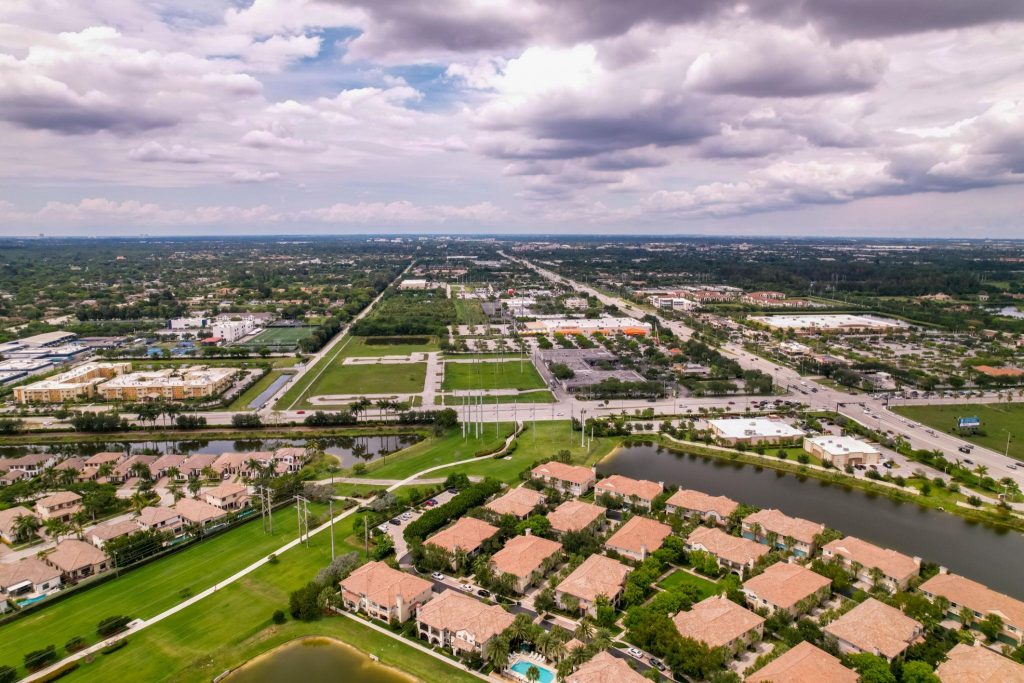
Pembroke Pines is a very popular, larger city with a wide range of housing options. There are different pockets and communities, but many of them are newer construction. There's easy access to shopping, restaurants, schools, parks, and other parts of western Broward, as well as easy access to the Florida Turnpike to head south to Miami-Dade.
Pembroke Pines might be the right fit if:
- You're a first-time buyer who wants more choices
- You want to explore western Broward without feeling as far out as some neighboring areas
- You want access to larger planned communities, gated neighborhoods, and communities with amenities
You might want to pick another area if:
- You get overwhelmed by too many options and want a more narrow, simple search
- You want a smaller community feel
- You're trying to avoid HOA fees, community rules, or association approval processes
Quick Comparison Recap
| Area | Best Fit For | General Feel | Watch For |
| Cooper City | Buyers wanting quiet, suburban living | Residential, calmer, community-focused | Limited inventory, price points, fewer urban/nightlife conveniences |
| Plantation | Buyers wanting central convenience | Established, practical, accessible | Different neighborhood vibes, older homes, condition of homes |
| Pembroke Pines | Buyers wanting variety and options in western Broward | Larger, suburban, more inventory and variety | HOA fees, narrowing down to right pocket, commuting to other parts of Broward |
How to Choose Which Area Fits You
Ask yourself the following questions:
- Do I want quiet or convenience?
- How far am I willing to commute?
- Do I need to be close to highways?
- Am I open to condos, townhomes, or villas?
- Is my priority space, location, schools, budget, or lifestyle?
- Do HOA fees make sense for my budget?
- Do I want something move-in ready and turnkey, or am I open to updates?
The right city isn't just the one that looks best online, but which one fits your actual life.
What Online Listings Don't Tell You
- How an area feels during regular daily life
- Traffic and commute reality
- Whether the listing price makes sense for the area
- How taxes, insurance, and HOA fees affect the monthly payment
- Whether the home style fits your long-term goals
- What tradeoffs are normal in your budget
- Which areas may be better to compare instead
When to Reach Out
You don't need to be ready to buy next week to start asking questions and looking at neighborhoods. If you're:
- Thinking about moving to Broward in the next 6-12 months
- Comparing Cooper City, Plantation, and Pembroke Pines
- Unsure what budget makes sense
- Trying to decide whether renting or buying is smarter
- Relocating and don't know where to start
- Curious but overwhelmed
I'm here to help! Broward County has options for everyone, but the options make more sense with context. We can talk through which areas may actually fit your lifestyle, budget, and timeline during a free, no-pressure consultation.
If you're still in research mode, check out more of my posts below so you can start learning more before you feel ready to reach out.
Read More
Renting Now, Buying Later? A Mid-Year Reset for South Florida First-Time Buyers
Can you believe it's already July? It seems like this year is flying by... or is it just me? The year is officially halfway over, the end of your lease might be coming up, and you might be thinking about if you want to keep renting where you're at, move somewhere new, or work towards buying.
If you're like most first-time buyers in South Florida, you might assume that you need perfect credit, a huge savings account, and everything figured out before you start having conversations about buying.
However, asking questions and having conversations early can help you understand what to work on. It doesn't mean you're committing to buying immediately, it's just giving you a clearer path to being a homeowner.
Step 1: Figure out how much you're currently paying to rent.
This includes:
Monthly rent
Utilities
Parking/HOA/storage fees
Renters insurance
Pet rent
Renewal increases
Move-in costs if you rent somewhere new
Buying isn't always cheaper, but sometimes the total cost to rent is comparable to a future monthly mortgage payment.
Step 2: Figure out what "affordable" means for you personally.
First-time buyers often focus only on purchase price, but affordability is really about monthly payment and cash needed to buy.
Your monthly payment includes:
Your principal loan payment
Interest
Property taxes
Homeowners insurance
Mortgage insurance, if applicable
HOA fees, if applicable
Cash needed to buy includes:
Down payment
Closing costs
Maintenance buffer
A $300,000 condo and a $300,000 townhouse may not have the same monthly payment, even though the purchase price is the same.
Step 3: Decide on your timeline.
If you're interested in buying in:
Next 3 months:
‣ Talk to a lender
‣ Narrow down locations.
‣ Get serious about looking at listings
Next 3-6 months:
‣ Check where your credit is at
‣ Figure out what your down payment amount can be based on current savings
‣ Learn the buying process (although it's never to early to start)
‣ Determine a payment range that feels realistic for you
Next 6-12 months:
‣ Build savings account up
‣ Reduce debt where possible
‣ Start exploring potential neighborhoods
‣ Prepare necessary documents
None of the above? That's okay.
If you want to buy a year or more from now, you should still start learning now so that you don't waste another minute guessing if you're actually in a position to buy or not.
Step 4: Learn what lenders actually look at
Before you assume you can't buy, it helps to understand what lenders actually look at.
Income
Lenders look at how much money is coming in and if it's steady income. For W-2 employees, this is usually simpler, but for self-employed, commission, or side income, there may be extra documentation needed.
Credit
Credit matters, but it doesn't always have to be perfect. Don't count yourself out just because your credit isn't where you want it to be yet.
Monthly Debt
Lenders compare income to recurring debt, like car payment, credit cards, student loans, personal loans, and other obligations. This affects how much monthly mortgage payment you may qualify for.
Savings
Savings should ideally include down payment, closing costs, reserves, inspections, moving costs, and a little breathing room after closing.
Employment History
Lenders want to see stable income and steady employment, but job changes do not automatically ruin your chances.
Loan Type and Programs
Different loan types have different requirements. Some buyers may also qualify for down payment assistance or first-time buyer programs, depending on their situation, location, income, and loan type.
The main thing to know is that you do not need to figure this out alone before asking questions. A good lender can help you understand where you stand financially, and a Realtor can help connect that budget to real homes and realistic next steps.
Once you have a clearer idea of what monthly payment may be realistic, the next step is learning what that budget actually looks like in different parts of South Florida, specifically in Broward County.
Lenders look at how much money is coming in and if it's steady income. For W-2 employees, this is usually simpler, but for self-employed, commission, or side income, there may be extra documentation needed.
Credit
Credit matters, but it doesn't always have to be perfect. Don't count yourself out just because your credit isn't where you want it to be yet.
Monthly Debt
Lenders compare income to recurring debt, like car payment, credit cards, student loans, personal loans, and other obligations. This affects how much monthly mortgage payment you may qualify for.
Savings
Savings should ideally include down payment, closing costs, reserves, inspections, moving costs, and a little breathing room after closing.
Employment History
Lenders want to see stable income and steady employment, but job changes do not automatically ruin your chances.
Loan Type and Programs
Different loan types have different requirements. Some buyers may also qualify for down payment assistance or first-time buyer programs, depending on their situation, location, income, and loan type.
The main thing to know is that you do not need to figure this out alone before asking questions. A good lender can help you understand where you stand financially, and a Realtor can help connect that budget to real homes and realistic next steps.
Once you have a clearer idea of what monthly payment may be realistic, the next step is learning what that budget actually looks like in different parts of South Florida, specifically in Broward County.
Credit matters, but it doesn't always have to be perfect. Don't count yourself out just because your credit isn't where you want it to be yet.
Monthly Debt
Lenders compare income to recurring debt, like car payment, credit cards, student loans, personal loans, and other obligations. This affects how much monthly mortgage payment you may qualify for.
Savings
Savings should ideally include down payment, closing costs, reserves, inspections, moving costs, and a little breathing room after closing.
Employment History
Lenders want to see stable income and steady employment, but job changes do not automatically ruin your chances.
Loan Type and Programs
Different loan types have different requirements. Some buyers may also qualify for down payment assistance or first-time buyer programs, depending on their situation, location, income, and loan type.
The main thing to know is that you do not need to figure this out alone before asking questions. A good lender can help you understand where you stand financially, and a Realtor can help connect that budget to real homes and realistic next steps.
Once you have a clearer idea of what monthly payment may be realistic, the next step is learning what that budget actually looks like in different parts of South Florida, specifically in Broward County.
Lenders compare income to recurring debt, like car payment, credit cards, student loans, personal loans, and other obligations. This affects how much monthly mortgage payment you may qualify for.
Savings
Savings should ideally include down payment, closing costs, reserves, inspections, moving costs, and a little breathing room after closing.
Employment History
Lenders want to see stable income and steady employment, but job changes do not automatically ruin your chances.
Loan Type and Programs
Different loan types have different requirements. Some buyers may also qualify for down payment assistance or first-time buyer programs, depending on their situation, location, income, and loan type.
The main thing to know is that you do not need to figure this out alone before asking questions. A good lender can help you understand where you stand financially, and a Realtor can help connect that budget to real homes and realistic next steps.
Once you have a clearer idea of what monthly payment may be realistic, the next step is learning what that budget actually looks like in different parts of South Florida, specifically in Broward County.
Savings should ideally include down payment, closing costs, reserves, inspections, moving costs, and a little breathing room after closing.
Employment History
Lenders want to see stable income and steady employment, but job changes do not automatically ruin your chances.
Loan Type and Programs
Different loan types have different requirements. Some buyers may also qualify for down payment assistance or first-time buyer programs, depending on their situation, location, income, and loan type.
The main thing to know is that you do not need to figure this out alone before asking questions. A good lender can help you understand where you stand financially, and a Realtor can help connect that budget to real homes and realistic next steps.
Once you have a clearer idea of what monthly payment may be realistic, the next step is learning what that budget actually looks like in different parts of South Florida, specifically in Broward County.
Lenders want to see stable income and steady employment, but job changes do not automatically ruin your chances.
Loan Type and Programs
Different loan types have different requirements. Some buyers may also qualify for down payment assistance or first-time buyer programs, depending on their situation, location, income, and loan type.
The main thing to know is that you do not need to figure this out alone before asking questions. A good lender can help you understand where you stand financially, and a Realtor can help connect that budget to real homes and realistic next steps.
Once you have a clearer idea of what monthly payment may be realistic, the next step is learning what that budget actually looks like in different parts of South Florida, specifically in Broward County.
Different loan types have different requirements. Some buyers may also qualify for down payment assistance or first-time buyer programs, depending on their situation, location, income, and loan type.
The main thing to know is that you do not need to figure this out alone before asking questions. A good lender can help you understand where you stand financially, and a Realtor can help connect that budget to real homes and realistic next steps.
Once you have a clearer idea of what monthly payment may be realistic, the next step is learning what that budget actually looks like in different parts of South Florida, specifically in Broward County.
Start Learning Neighborhoods Before You Are Ready to Buy
Even if you're not ready to buy quite yet, you can still start learning the areas where you'd ideally like to move to.
Decide what your budget, lifestyle, and priorities actually look like to determine what areas would be best for you.
In South Florida especially, not every city has the same mix of properties. There are constantly new developments and properties hitting the market.
For example:
Cooper City may appeal more to buyers looking for a quieter, suburban feel.
Plantation offers a mix of established neighborhoods, condos, townhomes, and single-family homes.
Pembroke Pines gives buyers more variety because it's larger and has different neighborhoods with different feels.
You might initially want a single-family home in one area, but your budget may realistically point you towards a townhome, condo, or a different area all together.
Summer Moving Season and Lease Renewal Timing Matters
Summer is a common time to move, especially before school starts. If your lease is ending soon, you may have to decide whether to renew, move to a new rental, or start preparing to buy.
Even if you have to renew your current lease, you can still use your term intentionally. A 12-month lease can become a 12-month prep plan instead of another year of "I'm not ready yet" or "I'll figure it out later."
What to Do This Month If You Want to Buy Eventually
Check your credit score
Look at your monthly rent and bills
Start a savings bucket for buying
Download a first-time buyer guide
Talk to a Realtor before you feel ready (Schedule a free buyer consultation call)
Ask what price range may match your desired monthly payment
Start paying attention to different Broward neighborhoods
Make a "must-have vs nice-to-have" list
You Don't Have to Figure This Out Alone
As a licensed Realtor in Broward County, I can help you understand whether buying is realistic, what to work on first, which neighborhoods may fit you best, what steps come before pre-approval, and how to avoid getting overwhelmed by the wealth of random internet advice.
If you're renting now but thinking about buying later, you're not behind. You just need a clear path forward.
Download any one of my resources if you want to start learning the process without feeling pressured.
Or if you want to talk through whether buying in South Florida could be realistic for you, schedule a consultation and we can map out your next steps.
Read More
Homeownership Is Still Possible in South Florida: What Renters Need to Know
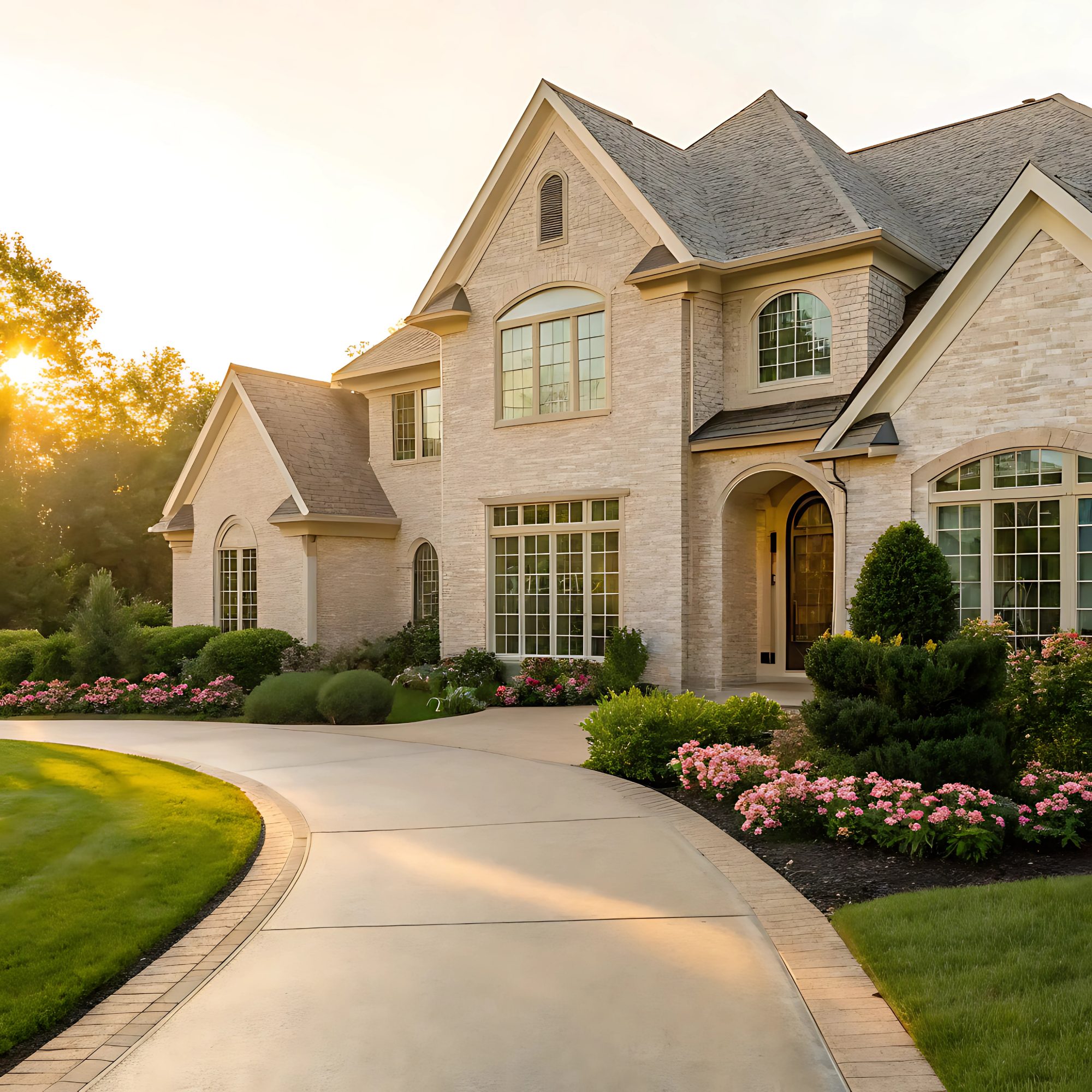
If you are renting in South Florida and searching for answers about buying a home, you are not alone. One of the most common concerns renters have is:
“I don’t make enough to buy anything right now.”
This belief is very common, especially with rising home prices, insurance costs, and interest rates. It can make homeownership feel out of reach.
However, for many renters, homeownership is still possible with the right guidance, programs, and understanding of how the buying process actually works.
Do I Need a High Income to Buy a Home in South Florida?
Many renters assume that income alone determines whether they can buy a home. In reality, home affordability is based on several factors, including:
-
- Income
- Credit score
- Monthly debt obligations
- Loan type and program eligibility
This means two people with the same income can qualify for very different price ranges depending on their financial profile and loan options.
In many cases, the issue is not income alone. It is a lack of clarity about available programs and what lenders actually consider.
Why Renters in South Florida Feel Stuck Right Now
There are several real challenges in the current South Florida housing market that contribute to the feeling of being “priced out”:
- Rising home prices across Broward, Miami-Dade, and Palm Beach counties
- Higher homeowners insurance costs compared to previous years
- Increased interest rates compared to historic lows
- Rising rent costs that make saving for a home more difficult
Because of these factors, many renters assume buying is not realistic. However, that assumption is not always accurate.
Home Buying Programs That May Help You Qualify
There are several loan options and assistance programs available that may make homeownership more accessible than expected.
FHA Loans for First-Time Homebuyers
FHA loans are commonly used by first-time buyers and may offer:
- Lower down payment requirements
- More flexible credit guidelines
- Easier qualification compared to some conventional loans
Conventional Loan Options
Conventional loans may be a strong option for buyers who:
- Have steady income
- Have moderate to strong credit
- Want flexible financing options depending on their situation
Down Payment Assistance Programs in Florida
Florida offers programs that may help eligible buyers with:
- Down payment assistance
- Closing cost support
- Reduced upfront cash requirements
First-Time Homebuyer Programs
Many first-time buyers qualify for additional programs designed to:
- Make entry into homeownership easier
- Reduce initial costs
- Provide education and support during the buying process
The key is not assuming you do not qualify, but instead exploring what programs may fit your situation.
What Is The First Step to Buying a Home?
Many renters believe the first step is saving a large down payment or waiting until the “right time” to buy.
In reality, the first step is much simpler:
Understanding your actual buying power.
This means looking at:
- Your income and debt situation
- Your credit profile
- Available loan programs
- What lenders may actually approve today
Once you understand this, you can make informed decisions instead of guessing whether homeownership is possible.
Why This Matters in Today's South Florida Market
The South Florida real estate market continues to evolve. Waiting without exploring your options may result in:
- Paying rising rent with no equity return
- Missing programs that could help you qualify now
- Delaying long-term wealth building through real estate
Even if you are not ready to buy immediately, understanding your position in the market gives you a clearer path forward.
Final Thoughts: Homeownership Is Still Possible
Homeownership in South Florida is not limited to people with perfect finances or large savings.
It is available to many renters who take the time to understand their options and explore available programs.
If you have been thinking, “I don’t make enough to buy a home,” the truth is that your situation may be more flexible than you realize.
The first step is simply getting clear on what is possible for you today.
Ready to Explore Your Home Buying Options?
If you want to learn what homeownership could look like in your situation, you can start here:
👉 Download your free First-Time Homebuyer Guide here!
Learn more about South Florida home buying programs, first-time buyer options, and what you may qualify for today.

Your First Step Toward Homeownership Starts Here
Buying a home is exciting—but if we’re being real, it can also feel overwhelming. There’s a lot to think about, and for many first-time buyers, it’s hard to know where to even start. The good news? You don’t have to figure it out alone.
Whether you’re looking for your first starter home, a place with more room to grow, or your dream home in South Florida, understanding the process makes everything feel a whole lot less stressful. My goal is to help break it down in a way that’s simple, clear, and easy to follow—so you can move forward with confidence.
In this guide, we’ll cover budgeting, getting pre-approved, choosing the right neighborhood, making an offer, and what happens all the way through closing.
Start with Your Budget
Before you start touring homes, it’s important to know what makes sense financially for you.
Take a Look at Your Financial Picture
Start by reviewing your income, monthly expenses, savings, and debts. Lenders will also look at your debt-to-income ratio (DTI) to help determine what you qualify for.
Set a Realistic Budget
Remember, buying a home is more than just the purchase price. You’ll also want to factor in:
- Property taxes
- Homeowners insurance
- HOA fees (if applicable)
- Maintenance and repairs
A home should fit your lifestyle and your budget.
Save for More Than Just the Down Payment
Depending on the loan, your down payment may be anywhere from 3% to 20%. You’ll also want to plan for closing costs and keep some savings set aside for unexpected expenses after move-in.
Get Pre-Approved Early
Pre-approval gives you a better idea of your buying power and shows sellers you’re serious when it’s time to make an offer—especially in competitive South Florida markets.
Quick tip: Improving your credit score before applying can make a big difference in your loan options and monthly payment.
Find the Right Neighborhood for Your Lifestyle
A home isn’t just about the house itself—it’s also about how you live every day.
Think about what matters most to you:
- How long is your commute?
- Do you want walkable areas?
- Is school zoning important?
- Do you want to be close to parks, shopping, or restaurants?
For some buyers, a big backyard is a must. For others, having a home office or low-maintenance living makes more sense.
Here are a few things worth considering:
- Safety: Research neighborhoods and local reviews
- Schools: Strong school zones can help resale value
- Convenience: Think about traffic, shopping, and daily routines
- Future Growth: New development can impact value and lifestyle
One of my favorite tips? Visit a neighborhood at different times of day. It gives you a much better feel for what living there would actually be like.
Why the Right Realtor Matters
Buying a home comes with a lot of moving parts, and having the right agent can make the process feel a lot smoother.
A good realtor helps you:
- Understand the market
- Narrow down your search
- Spot potential red flags
- Write competitive offers
- Negotiate on your behalf
- Coordinate inspections, appraisals, and closing details
In markets like Cooper City, Plantation, and Pembroke Pines, local knowledge can make a huge difference.
A great agent isn’t just opening doors—they’re helping guide you through one of the biggest decisions you’ll ever make.
Common Home Buying Questions
How long does it take to buy a home?
Once your offer is accepted, closing usually takes about 30–45 days. Timelines can vary depending on financing, inspections, and the market.
What upfront costs should I expect?
In addition to your down payment, buyers should plan for:
- Home inspection
- Appraisal
- Title fees
- Closing costs (typically 2%–5% of the purchase price)
Do I need pre-approval before making an offer?
In most cases, yes. Pre-approval strengthens your offer and helps you shop with confidence.
What happens after my offer is accepted?
This is when inspections, financing, appraisals, and final paperwork happen before closing day.
Can I back out after signing?
Depending on the contract and contingency periods, there may be situations where you can. This is why understanding timelines and having good guidance matters.
Take the First Step Toward Your Next Home
Buying a home doesn’t have to feel overwhelming when you have the right plan—and the right people in your corner.
Start by getting clear on your budget, your must-haves, and the neighborhoods that fit your lifestyle. From there, the process becomes much easier to navigate.
Here are a few easy first steps:
- Visit open houses to get a feel for what you like
- Save listings and track local pricing
- Talk with a lender about pre-approval
- Connect with a local realtor who can guide you through the process
Your next home is out there—and with the right preparation, you’ll be ready when the right one comes along.
TREC Consumer Protection Notice
TREC Information About Brokerage Services


© 2026 MoxiWorks
© CENTURY 21 2023 - 2024. All rights reserved. CENTURY 21®, C21® and the CENTURY 21 Logo are registered service marks owned by Century 21 Real Estate LLC. Franchisee Legal Entity Name (not the dba) fully supports the principles of the Fair Housing Act and the Equal Opportunity Act. Each franchise is independently owned and operated. Any services or products provided by independently owned and operated franchisees are not provided by, affiliated with, or related to Century 21 Real Estate LLC nor any of its affiliated companies.
