Renting Now, Buying Later? A Mid-Year Reset for South Florida First-Time Buyers
Can you believe it's already July? It seems like this year is flying by... or is it just me? The year is officially halfway over, the end of your lease might be coming up, and you might be thinking about if you want to keep renting where you're at, move somewhere new, or work towards buying.
If you're like most first-time buyers in South Florida, you might assume that you need perfect credit, a huge savings account, and everything figured out before you start having conversations about buying.
However, asking questions and having conversations early can help you understand what to work on. It doesn't mean you're committing to buying immediately, it's just giving you a clearer path to being a homeowner.
Step 1: Figure out how much you're currently paying to rent.
This includes:
Monthly rent
Utilities
Parking/HOA/storage fees
Renters insurance
Pet rent
Renewal increases
Move-in costs if you rent somewhere new
Buying isn't always cheaper, but sometimes the total cost to rent is comparable to a future monthly mortgage payment.
Step 2: Figure out what "affordable" means for you personally.
First-time buyers often focus only on purchase price, but affordability is really about monthly payment and cash needed to buy.
Your monthly payment includes:
Your principal loan payment
Interest
Property taxes
Homeowners insurance
Mortgage insurance, if applicable
HOA fees, if applicable
Cash needed to buy includes:
Down payment
Closing costs
Maintenance buffer
A $300,000 condo and a $300,000 townhouse may not have the same monthly payment, even though the purchase price is the same.
Step 3: Decide on your timeline.
If you're interested in buying in:
Next 3 months:
‣ Talk to a lender
‣ Narrow down locations.
‣ Get serious about looking at listings
Next 3-6 months:
‣ Check where your credit is at
‣ Figure out what your down payment amount can be based on current savings
‣ Learn the buying process (although it's never to early to start)
‣ Determine a payment range that feels realistic for you
Next 6-12 months:
‣ Build savings account up
‣ Reduce debt where possible
‣ Start exploring potential neighborhoods
‣ Prepare necessary documents
None of the above? That's okay.
If you want to buy a year or more from now, you should still start learning now so that you don't waste another minute guessing if you're actually in a position to buy or not.
Step 4: Learn what lenders actually look at
Before you assume you can't buy, it helps to understand what lenders actually look at.
Income
Lenders look at how much money is coming in and if it's steady income. For W-2 employees, this is usually simpler, but for self-employed, commission, or side income, there may be extra documentation needed.
Credit
Credit matters, but it doesn't always have to be perfect. Don't count yourself out just because your credit isn't where you want it to be yet.
Monthly Debt
Lenders compare income to recurring debt, like car payment, credit cards, student loans, personal loans, and other obligations. This affects how much monthly mortgage payment you may qualify for.
Savings
Savings should ideally include down payment, closing costs, reserves, inspections, moving costs, and a little breathing room after closing.
Employment History
Lenders want to see stable income and steady employment, but job changes do not automatically ruin your chances.
Loan Type and Programs
Different loan types have different requirements. Some buyers may also qualify for down payment assistance or first-time buyer programs, depending on their situation, location, income, and loan type.
The main thing to know is that you do not need to figure this out alone before asking questions. A good lender can help you understand where you stand financially, and a Realtor can help connect that budget to real homes and realistic next steps.
Once you have a clearer idea of what monthly payment may be realistic, the next step is learning what that budget actually looks like in different parts of South Florida, specifically in Broward County.
Lenders look at how much money is coming in and if it's steady income. For W-2 employees, this is usually simpler, but for self-employed, commission, or side income, there may be extra documentation needed.
Credit
Credit matters, but it doesn't always have to be perfect. Don't count yourself out just because your credit isn't where you want it to be yet.
Monthly Debt
Lenders compare income to recurring debt, like car payment, credit cards, student loans, personal loans, and other obligations. This affects how much monthly mortgage payment you may qualify for.
Savings
Savings should ideally include down payment, closing costs, reserves, inspections, moving costs, and a little breathing room after closing.
Employment History
Lenders want to see stable income and steady employment, but job changes do not automatically ruin your chances.
Loan Type and Programs
Different loan types have different requirements. Some buyers may also qualify for down payment assistance or first-time buyer programs, depending on their situation, location, income, and loan type.
The main thing to know is that you do not need to figure this out alone before asking questions. A good lender can help you understand where you stand financially, and a Realtor can help connect that budget to real homes and realistic next steps.
Once you have a clearer idea of what monthly payment may be realistic, the next step is learning what that budget actually looks like in different parts of South Florida, specifically in Broward County.
Credit matters, but it doesn't always have to be perfect. Don't count yourself out just because your credit isn't where you want it to be yet.
Monthly Debt
Lenders compare income to recurring debt, like car payment, credit cards, student loans, personal loans, and other obligations. This affects how much monthly mortgage payment you may qualify for.
Savings
Savings should ideally include down payment, closing costs, reserves, inspections, moving costs, and a little breathing room after closing.
Employment History
Lenders want to see stable income and steady employment, but job changes do not automatically ruin your chances.
Loan Type and Programs
Different loan types have different requirements. Some buyers may also qualify for down payment assistance or first-time buyer programs, depending on their situation, location, income, and loan type.
The main thing to know is that you do not need to figure this out alone before asking questions. A good lender can help you understand where you stand financially, and a Realtor can help connect that budget to real homes and realistic next steps.
Once you have a clearer idea of what monthly payment may be realistic, the next step is learning what that budget actually looks like in different parts of South Florida, specifically in Broward County.
Lenders compare income to recurring debt, like car payment, credit cards, student loans, personal loans, and other obligations. This affects how much monthly mortgage payment you may qualify for.
Savings
Savings should ideally include down payment, closing costs, reserves, inspections, moving costs, and a little breathing room after closing.
Employment History
Lenders want to see stable income and steady employment, but job changes do not automatically ruin your chances.
Loan Type and Programs
Different loan types have different requirements. Some buyers may also qualify for down payment assistance or first-time buyer programs, depending on their situation, location, income, and loan type.
The main thing to know is that you do not need to figure this out alone before asking questions. A good lender can help you understand where you stand financially, and a Realtor can help connect that budget to real homes and realistic next steps.
Once you have a clearer idea of what monthly payment may be realistic, the next step is learning what that budget actually looks like in different parts of South Florida, specifically in Broward County.
Savings should ideally include down payment, closing costs, reserves, inspections, moving costs, and a little breathing room after closing.
Employment History
Lenders want to see stable income and steady employment, but job changes do not automatically ruin your chances.
Loan Type and Programs
Different loan types have different requirements. Some buyers may also qualify for down payment assistance or first-time buyer programs, depending on their situation, location, income, and loan type.
The main thing to know is that you do not need to figure this out alone before asking questions. A good lender can help you understand where you stand financially, and a Realtor can help connect that budget to real homes and realistic next steps.
Once you have a clearer idea of what monthly payment may be realistic, the next step is learning what that budget actually looks like in different parts of South Florida, specifically in Broward County.
Lenders want to see stable income and steady employment, but job changes do not automatically ruin your chances.
Loan Type and Programs
Different loan types have different requirements. Some buyers may also qualify for down payment assistance or first-time buyer programs, depending on their situation, location, income, and loan type.
The main thing to know is that you do not need to figure this out alone before asking questions. A good lender can help you understand where you stand financially, and a Realtor can help connect that budget to real homes and realistic next steps.
Once you have a clearer idea of what monthly payment may be realistic, the next step is learning what that budget actually looks like in different parts of South Florida, specifically in Broward County.
Different loan types have different requirements. Some buyers may also qualify for down payment assistance or first-time buyer programs, depending on their situation, location, income, and loan type.
The main thing to know is that you do not need to figure this out alone before asking questions. A good lender can help you understand where you stand financially, and a Realtor can help connect that budget to real homes and realistic next steps.
Once you have a clearer idea of what monthly payment may be realistic, the next step is learning what that budget actually looks like in different parts of South Florida, specifically in Broward County.
Start Learning Neighborhoods Before You Are Ready to Buy
Even if you're not ready to buy quite yet, you can still start learning the areas where you'd ideally like to move to.
Decide what your budget, lifestyle, and priorities actually look like to determine what areas would be best for you.
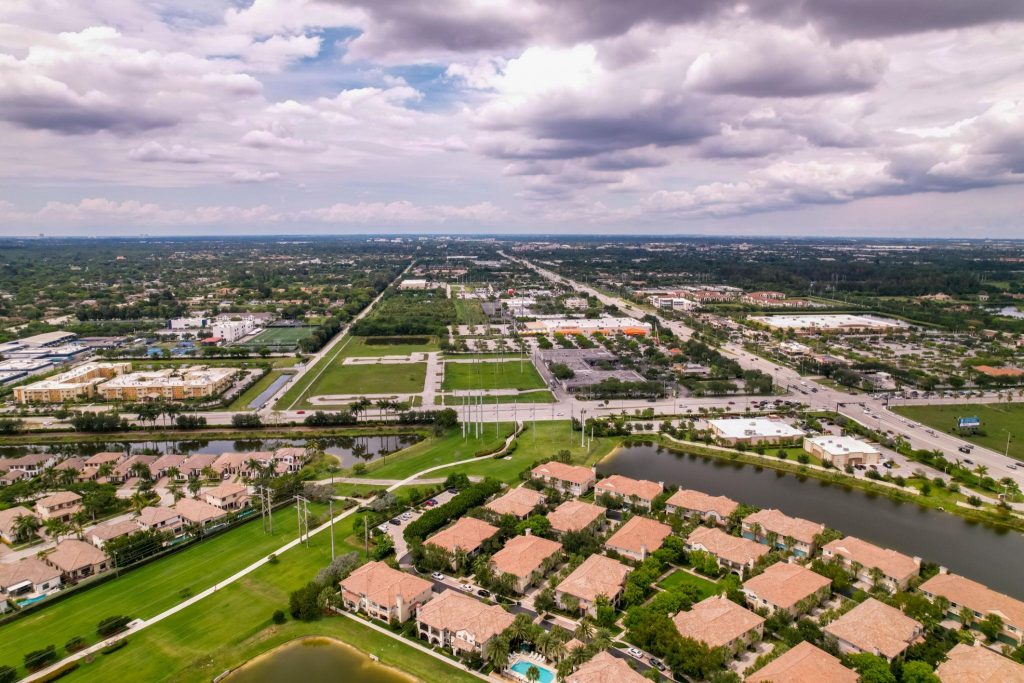
In South Florida especially, not every city has the same mix of properties. There are constantly new developments and properties hitting the market.
For example:
Cooper City may appeal more to buyers looking for a quieter, suburban feel.
Plantation offers a mix of established neighborhoods, condos, townhomes, and single-family homes.
Pembroke Pines gives buyers more variety because it's larger and has different neighborhoods with different feels.
You might initially want a single-family home in one area, but your budget may realistically point you towards a townhome, condo, or a different area all together.
Summer Moving Season and Lease Renewal Timing Matters
Summer is a common time to move, especially before school starts. If your lease is ending soon, you may have to decide whether to renew, move to a new rental, or start preparing to buy.
Even if you have to renew your current lease, you can still use your term intentionally. A 12-month lease can become a 12-month prep plan instead of another year of "I'm not ready yet" or "I'll figure it out later."
What to Do This Month If You Want to Buy Eventually
Check your credit score
Look at your monthly rent and bills
Start a savings bucket for buying
Download a first-time buyer guide
Talk to a Realtor before you feel ready (Schedule a free buyer consultation call)
Ask what price range may match your desired monthly payment
Start paying attention to different Broward neighborhoods
Make a "must-have vs nice-to-have" list
You Don't Have to Figure This Out Alone
As a licensed Realtor in Broward County, I can help you understand whether buying is realistic, what to work on first, which neighborhoods may fit you best, what steps come before pre-approval, and how to avoid getting overwhelmed by the wealth of random internet advice.
If you're renting now but thinking about buying later, you're not behind. You just need a clear path forward.
Download any one of my resources if you want to start learning the process without feeling pressured.
Or if you want to talk through whether buying in South Florida could be realistic for you, schedule a consultation and we can map out your next steps.
Read More
TREC Consumer Protection Notice
TREC Information About Brokerage Services


© 2026 MoxiWorks
© CENTURY 21 2023 - 2024. All rights reserved. CENTURY 21®, C21® and the CENTURY 21 Logo are registered service marks owned by Century 21 Real Estate LLC. Franchisee Legal Entity Name (not the dba) fully supports the principles of the Fair Housing Act and the Equal Opportunity Act. Each franchise is independently owned and operated. Any services or products provided by independently owned and operated franchisees are not provided by, affiliated with, or related to Century 21 Real Estate LLC nor any of its affiliated companies.
